
Your Complete Guide to Manpower Solutions in Dubai in 2026
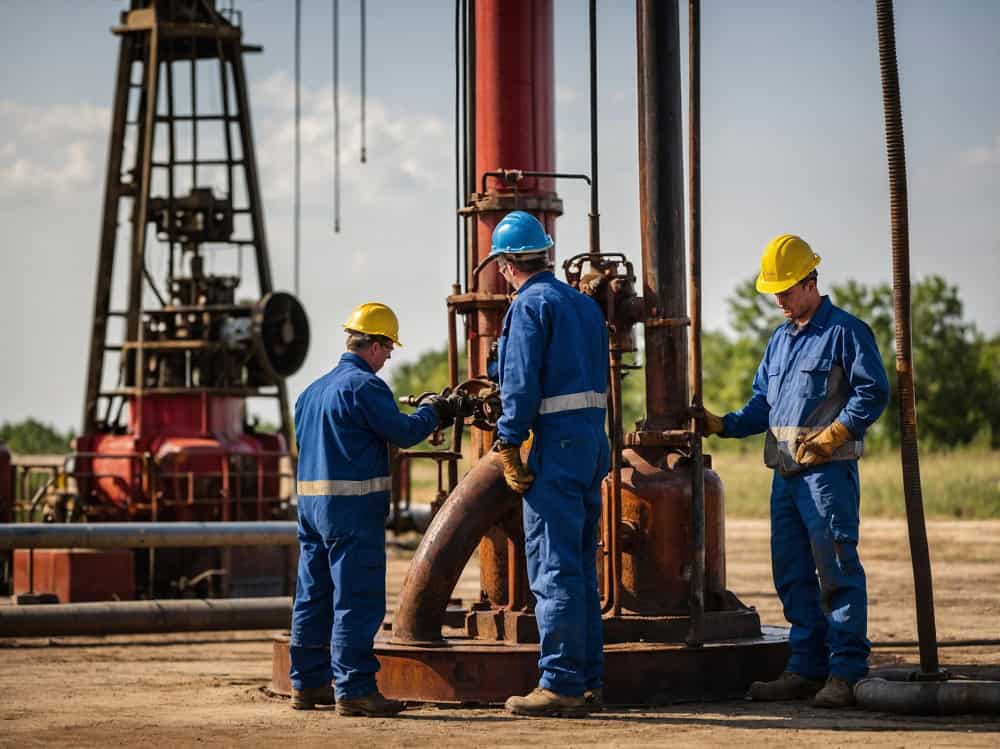
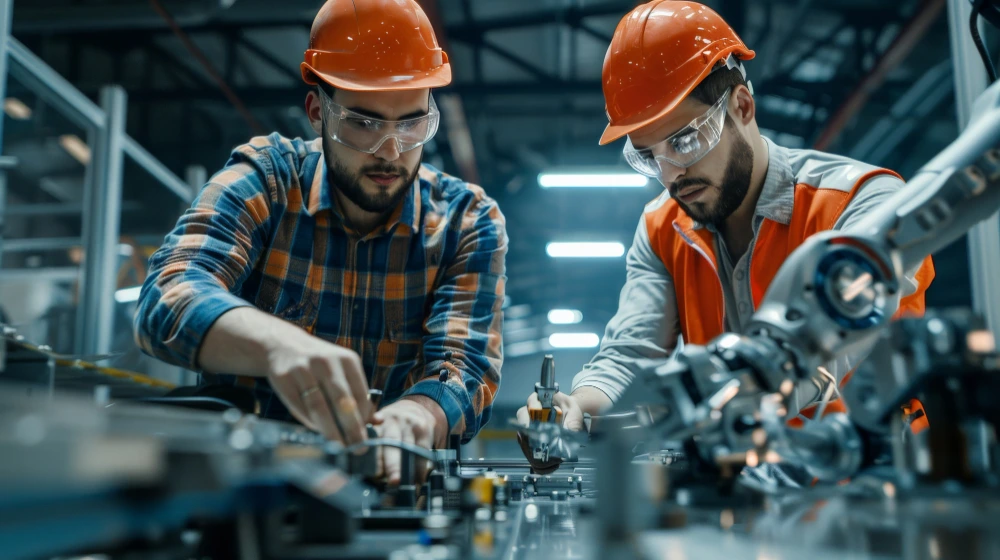
Dubai’s job market doesn’t wait for anyone. With Expo legacy projects still feeding construction pipelines, oil & gas expansions underway across Dubai and beyond, and a cleaning & facilities sector growing faster than most people realise, the pressure on businesses to find the right workers, fast, has never been higher. This blog explains every major category of manpower in Dubai, what’s changed in 2026, and how to choose the best manpower company to work with. Why Dubai’s Manpower Market Is Shifting Now? If you’ve tried hiring workers in Dubai recently, you’ve probably noticed two things: skilled labour is harder to find than it used to be, and the cost of a bad hire has gone up. Both of these are real trends, not just perception. Dubai’s construction sector alone added over 35,000 new project tenders in 2025, a significant jump driven by government infrastructure spending and private residential development. The oil & gas sector across the UAE is expanding upstream operations as part of ADNOC’s 2030 capacity targets. And facilities management, everything from commercial cleaning to MEP maintenance, is growing because newer, larger buildings require professional upkeep teams. What’s changing is how businesses are staffing up. The old approach is to post a job ad, wait, interview, and process visas. But this approach doesn’t work when project timelines are tight and skilled workers get snapped up fast. More and more companies are going straight to manpower supply companies in Dubai that already have pre-screened, visa-ready candidates sitting in databases. In 2026, the best manpower companies aren’t just “recruitment agencies.” They’re workforce partners handling sourcing, compliance, payroll support, and on-site deployment as a package. Electrical Manpower: Electrical manpower is consistently one of the highest-demand categories in the UAE. Every building project needs licensed electricians. Every new facility requires someone to handle power distribution, panel installations, and technical support after handover. And with Dubai’s smart city push adding IoT-driven infrastructure into the mix, the complexity of electrical work has gone up considerably. Who does electrical manpower actually cover? The critical thing here is certification. Dubai Electricity and Water Authority (DEWA) sets strict requirements for anyone working on electrical systems in the emirate. When you hire through a credible electrical manpower provider, they provide trained, documented, and DEWA-compliant workers. A common mistake businesses make is hiring cheap electrical workers who don’t hold the right documentation. The resulting fines and rework typically cost five to ten times more than the “savings” on labour. Civil Manpower: Civil construction is the single largest driver of manpower demand across the UAE. Road projects, bridges, residential towers, commercial developments, schools, hospitals, all of it runs on reliable civil labour. And in 2026, there’s no sign of that slowing down. Civil manpower covers a broader range of roles than most project managers initially budget for: Formwork & Steel: Shuttering carpenters, bar benders, and steel fixers for structural work Masonry & Concrete: Blocklayers, plasters, concrete pourers, and finishers Excavation & Groundwork: Operators and manual labourers for site clearing, trenching, and earthworks Site Support: General helpers, site cleaners, and logistics workers keep operations moving One thing that separates civil manpower supply from the rest is consistency. On a construction site, a sudden drop in workers, even for a day, can cascade into missed milestones and liquidated damages. Good civil manpower companies maintain buffer pools, so if someone is sick or leaves, a replacement is on site the next morning. When evaluating a civil manpower supplier, ask specifically about their replacement SLA. A credible provider should be able to replace any worker within 24–48 hours. If they can’t confirm that, keep looking. Oil & Gas Manpower Supply: This is probably the most demanding category in the entire manpower landscape. Oil & gas manpower supply companies in Dubai are replacing people in environments where a single compliance failure can shut down operations, trigger HSE investigations, or worse, put lives at risk. The UAE’s energy sector is genuinely booming. ADNOC’s expansion into downstream petrochemicals, the UAE’s LNG ambitions, and Dubai’s own oil & gas trading and logistics hub status mean demand for specialised manpower solutions for oil & gas is at a 10-year high. What roles fall under oil & gas manpower? Any oil & gas manpower supply company in Dubai worth working with should be able to show you their candidate certification records before deployment. OPITO, BOSIET, H2S, COSHH, and relevant trade certifications should be verified and documented. The nature of oil & gas projects means the workforce needs to fluctuate. You might need 40 people for a shutdown and only 8 on retainer the rest of the year. The right manpower partner understands this and provides contract staffing models that don’t penalise you for scaling down after a project ends. Mechanical Manpower: In manufacturing, industrial, and MEP environments, mechanical downtime translates directly to lost revenue. A facility with 200 workers standing idle because a compressor is down isn’t a rare scenario; it’s what happens when there’s no reliable mechanical manpower on call. Mechanical manpower covers the full range of roles that keep industrial and commercial assets running: The HVAC category in particular is massive in Dubai. The climate means buildings can’t survive a chiller failure, and with most large commercial facilities running complex cooling systems, skilled HVAC mechanical workers are some of the most consistently in-demand professionals in the region. When sourcing mechanical manpower, always verify experience with the specific equipment brands on your site. A technician skilled in Carrier chillers may need significant upskilling for a Trane or York system. The best manpower companies will match this granularly. Cleaning Manpower Supply: The cleaning and facilities sector in Dubai has matured significantly. What used to be considered a “low-skill” category now involves trained professionals working in sterile environments, high-rise window cleaning rigs, industrial settings with chemical hazards, and food-grade facilities with stringent hygiene protocols. Cleaning manpower supply in Dubai typically spans several distinct categories: Commercial Cleaning: Office towers, retail centres, and corporate campuses require trained daily cleaning crews Medical & Sterile: Hospital-grade cleaning with certified infection control protocols Industrial Cleaning: Factories, warehouses, and plants need